Wood vs. Composite Decks: A Complete Comparison – Which Option Suits You Best?
When evaluating deck materials, property owners are often presented with a decision between wood and composite decking. Each type has its unique advantages and drawbacks. Wood is well-known for its classic aesthetic charm, while composite provides lasting durability with minimal upkeep. Yet, the impact of these decisions reaches further than appearance and maintenance. Factors such as cost, environmental impact, and long-term sustainability also play vital roles. Understanding these elements can help guide the decision, but what truly matters in the end?
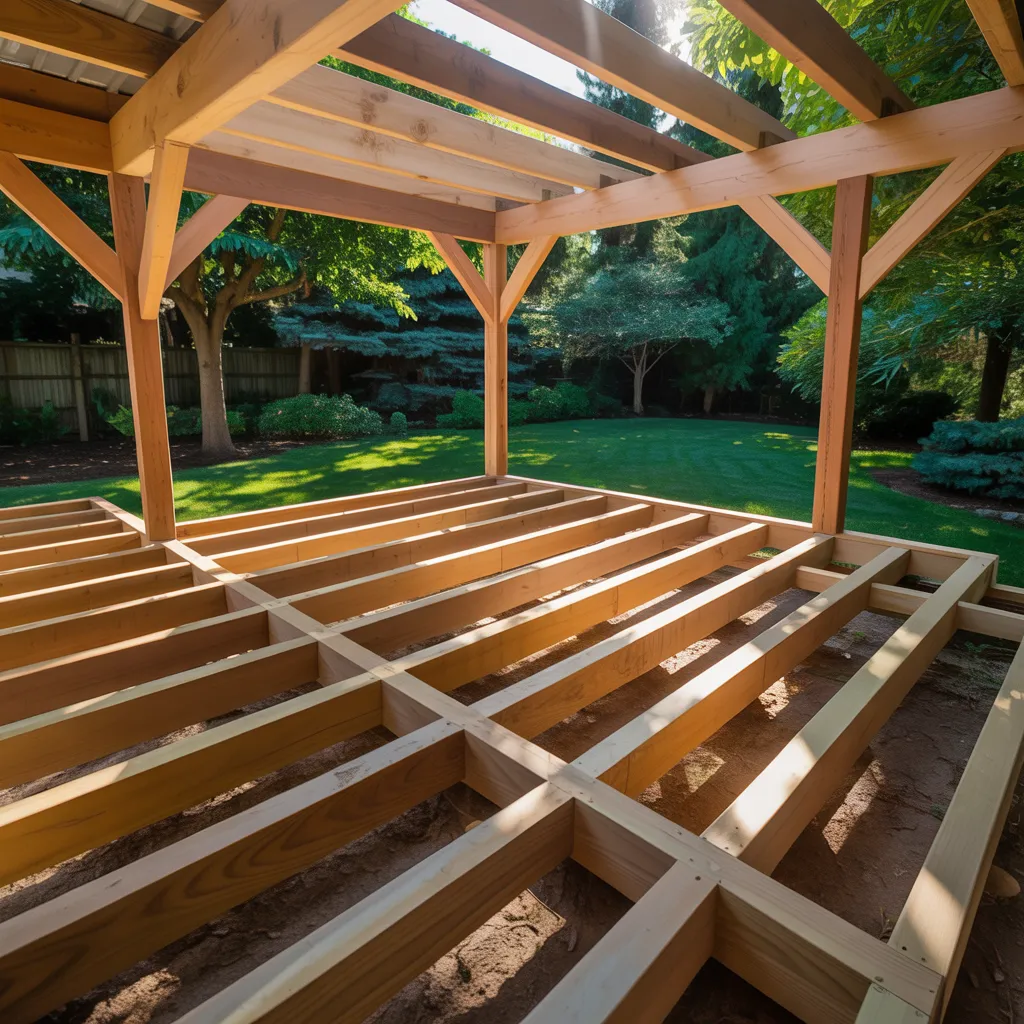
Wood or Composite: Which Decking Is the Right Choice for You?
When evaluating decking options, many homeowners question which option best meets their expectations: wood or composite. Each option presents unique features that can influence a homeowner's choice. Natural wood decking, typically made from natural materials, provides a traditional look and can be personalized using various stains and finishes. Its genuine aesthetic attracts many homeowners, but it may require routine upkeep to avoid decay.
In contrast, composite decking blends wood fibers with synthetic materials, resulting in a long-lasting, easy-to-maintain surface. This material resists fading, staining, and splintering, making it appealing for those seeking longevity. However, the upfront cost of composite materials tends to exceed that of traditional wood.
Ultimately, the choice between wood and composite decking relies on personal tastes, design aspirations, and commitment to investing effort and funds in maintenance. Every option brings its own benefits, making thoughtful evaluation necessary for homeowners seeking to elevate their outdoor environments.
Pros and Cons of Wood Decking
Wood decking offers a combination of natural beauty and traditional charm, making it a popular option for countless homeowners. One of its primary advantages is its aesthetic appeal; the warm tones and unique grain patterns elevate outdoor areas. Additionally, wood is generally more affordable than composite materials, providing a cost-effective solution for those on a budget.
However, wood decking has some significant disadvantages. To keep its appearance intact and guard against weather damage, it demands routine upkeep such as sealing and staining. Wood is also susceptible to pests, such as termites, and can warp or splinter over time. This susceptibility necessitates ongoing vigilance and potential replacement of damaged boards.
Advantages and Disadvantages of Composite Decking
Composite decking offers an innovative alternative to conventional wood, providing durability and minimal upkeep. One of its primary advantages is resistance to rot, splintering, and insect damage, enabling a significantly extended lifespan over traditional wood. Moreover, composite products are commonly crafted from recycled plastics and wood fibers, making them attractive to eco-conscious homeowners.
Despite its benefits, there are some drawbacks to take into account. Composite decking can be more expensive upfront than wood, placing strain on initial budget considerations. Certain products may also experience fading over time, necessitating color touch-ups. In addition, despite requiring minimal maintenance, periodic cleaning is still needed to prevent the growth of mold and mildew.
Comparing Aesthetics: Wood vs. Composite Decking
Visual attractiveness plays an essential role in the choosing process for decking options. Wooden decking is frequently praised for its natural beauty and warmth, delivering a classic look that suits various architectural styles. Its deep textures and tones can elevate outdoor spaces, offering a timeless charm that many homeowners desire.
By comparison, composite decking offers a innovative solution, designed to mimic the appearance of wood while providing a more even look. Offered in a wide range of colors and finishes, composite options allow for versatile design possibilities. Additionally, they preserve their look for a longer period, withstanding fading and staining.
Ultimately, In the end, At the end of the day, When all is said and done the choice between wood and composite decking copyrights on personal preference. While wood exudes traditional elegance, composite options cater to contemporary tastes, delivering a low-maintenance option without giving up aesthetic appeal. Both options can enhance an outdoor area, however each presents individual aesthetic traits that warrant close attention.
Longevity: Wood vs. Composite Decks
When evaluating lasting performance, the differences between wood and composite decks stand out, influencing long-term upkeep and durability. Wood decks, while aesthetically appealing, are susceptible to rot, insects, and weathering. Regular treatments, staining, and sealing are necessary to extend their lifespan, contributing to the upkeep demands. In contrast, composite decks are engineered from a blend of wood fibers and plastic, making them resilient to fading, staining, and moisture. This resilience allows composite materials to withstand harsh weather conditions without notable degradation.
Additionally, composite decks don't need the same level of care as wood, minimizing the effort and investment homeowners are required to spend. Even though wood can provide a traditional aesthetic, composite decks deliver a more long-lasting solution for those looking for durability and reduced upkeep. In the end, the selection between wood and composite comes down to a homeowner's considerations concerning durability and upkeep over time.
Cost of Wood vs. Composite Decking
The cost consideration of decking options plays an essential role in homeowners' decisions. When comparing wood and composite decking, starting costs may differ significantly. Pressure-treated wood typically represents the most budget-friendly selection, with prices generally ranging from $2 to $5 per square foot. However, this lower upfront cost may lead to higher long-term expenses as a result of upkeep requirements and possible replacements.
On the other hand, composite decking typically ranges from $4 to $10 per square foot. While the initial investment is higher, composite materials often come with warranties and require less maintenance, possibly leading to reduced total expenses in the long run. Homeowners should also consider factors such as installation fees, which might fluctuate according to the material selected. Ultimately, comprehending the complete ownership expenses, including maintenance and longevity, is vital for making an informed choice between wood and composite decking.
Ecological Effects of Decking Choices
The environmental impact of decking choices encompasses multiple important elements, including the eco-friendliness of the materials selected. An evaluation of the carbon emissions associated with wood and composite decking demonstrates significant differences in their environmental impact. Moreover, the longevity and waste implications of each material are critical factors in evaluating their comprehensive environmental effect.
Sustainability of Materials Used
When considering decking options, the sustainability of the components utilized is a critical factor in assessing their ecological footprint. Solid wood, typically harvested from woodlands, can be renewable if sourced through responsible logging. Nevertheless, irresponsible harvesting methods can cause the destruction of forests and natural habitats. By comparison, composite decking, crafted from a combination of reclaimed plastics and wood byproducts, presents a greener alternative, repurposing materials that might otherwise pollute the environment. Furthermore, composites tend to require less maintenance and have a longer lifespan, minimizing the frequency of replacements and conserving additional resources. In the end, weighing the ecological benefits of natural wood and composite alternatives is of great importance for consumers aiming to make environmentally conscious decisions in their choice of decking materials.
Carbon Emissions Comparison
Evaluating the carbon emissions of decking options uncovers notable distinctions between natural wood and composite alternatives. Timber decks, most notably those procured from eco-consciously managed forests, maintain a lesser initial carbon footprint, as they are typically made from eco-friendly resources. That said, the collection, transport, and upkeep of natural wood decks can contribute to higher emissions over time.
Conversely, composite decking, mainly composed of recycled plastic and wood fibers, has a larger manufacturing footprint due to resource-heavy manufacturing methods. Despite this, composite options may deliver a steadier long-term environmental outcome, as they need minimal ongoing care and have a longer replacement cycle. In the end, the decision between wood and composite materials involves weighing upfront carbon impact against enduring environmental responsibility.
Longevity and Waste Impact
Lifespan plays an essential role in evaluating the environmental consequences of materials used for decking. Wooden decks, though visually appealing, generally have a lifespan of around 10 to 15 years, requiring regular maintenance and eventual replacement, contributing to waste. By comparison, composite decking are able to endure up to 25 to 30 years requiring minimal maintenance, decreasing how often visit this page replacements are needed and the resulting waste.
Moreover, composite products are often made from recycled plastics, preventing waste from reaching landfills. However, their fabrication demands processes that consume significant energy. In the end, the decision between wood and composite decking is determined not only by durability but also on the overall ecological footprint over time. Individuals must balance the immediate aesthetic and cost benefits against the lasting ecological effects of their decking choice.
Important Considerations for Selecting Decking Material
When picking your decking material, various critical considerations emerge that can greatly impact both visual appeal and practical use. For starters, price is an important factor; timber generally offers a more affordable upfront cost, whereas composite materials can provide lasting savings thanks to lower upkeep requirements. Furthermore, upkeep needs differ; natural wood often demands regular sealing and staining, whereas composite materials are generally more resistant to fading and rot.
An additional key consideration is environmental impact; wood that is sustainably sourced tends to be eco-friendly, while composite products commonly include recycled materials but can involve environmental drawbacks in their production process. Moreover, durability plays a vital role; composite decks usually withstand weather extremes better than wood, which may warp or splinter as the years pass. Lastly, aesthetic preference is personal; wood offers a classic look, while composite materials come in various colors and textures. All of these considerations play a role in determining the ideal decking material for each unique situation.
Questions We Are Often Asked
What Are the Best Ways to Maintain My Wooden Deck Over Time?
To maintain a wooden deck for years to come, consistent cleaning, sealing, and staining are vital. Inspecting for damage, replacing broken boards, and ensuring proper drainage will increase its durability and protect its aesthetic.
Can Composite Decking Be Painted or Stained?
Composite decking generally does not accept paint or stain effectively, as its surface is engineered to repel these types of treatments. This limitation helps maintain its color and durability, reducing maintenance needs compared to traditional wood decking.
What Types of Warranties Are Available for Composite Decking?
Various warranties for composite decking commonly feature restricted lifetime guarantees, coverage for discoloration and staining, and structural integrity guarantees. Such warranties may differ depending on the manufacturer, underscoring the necessity of examining the exact terms before committing to a purchase.
How Does Temperature Affect Wood and Composite Decks?
Thermal conditions impacts wood and composite decks in distinct ways. Wood tends to expand and contract, leading to warping or cracking, while composite materials are more stable, experiencing minimal heat-related expansion, which works to preserve the structural integrity in varying temperatures.
Are There Particular Brands Suggested for Each Type of Decking?
Regarding wood decks, companies like Trex and TimberTech stand out, delivering lasting beauty and strength. In contrast, composite materials available from manufacturers like Azek and Fiberon provide easy care and enduring reliability, catering to various preferences.