Building Your Own Deck: Essential Tips for the Ambitious Homeowner
The DIY Deck Building Guide delivers useful information for homeowners looking to enhance their outdoor living spaces. It highlights the significance of location, design, and material selection. Every phase of the construction process is vital for creating a functional and aesthetically pleasing deck. However, many overlook common pitfalls that can arise during construction. Being aware of these issues can play a major role in the overall success of the build. What key elements should homeowners review before getting started?
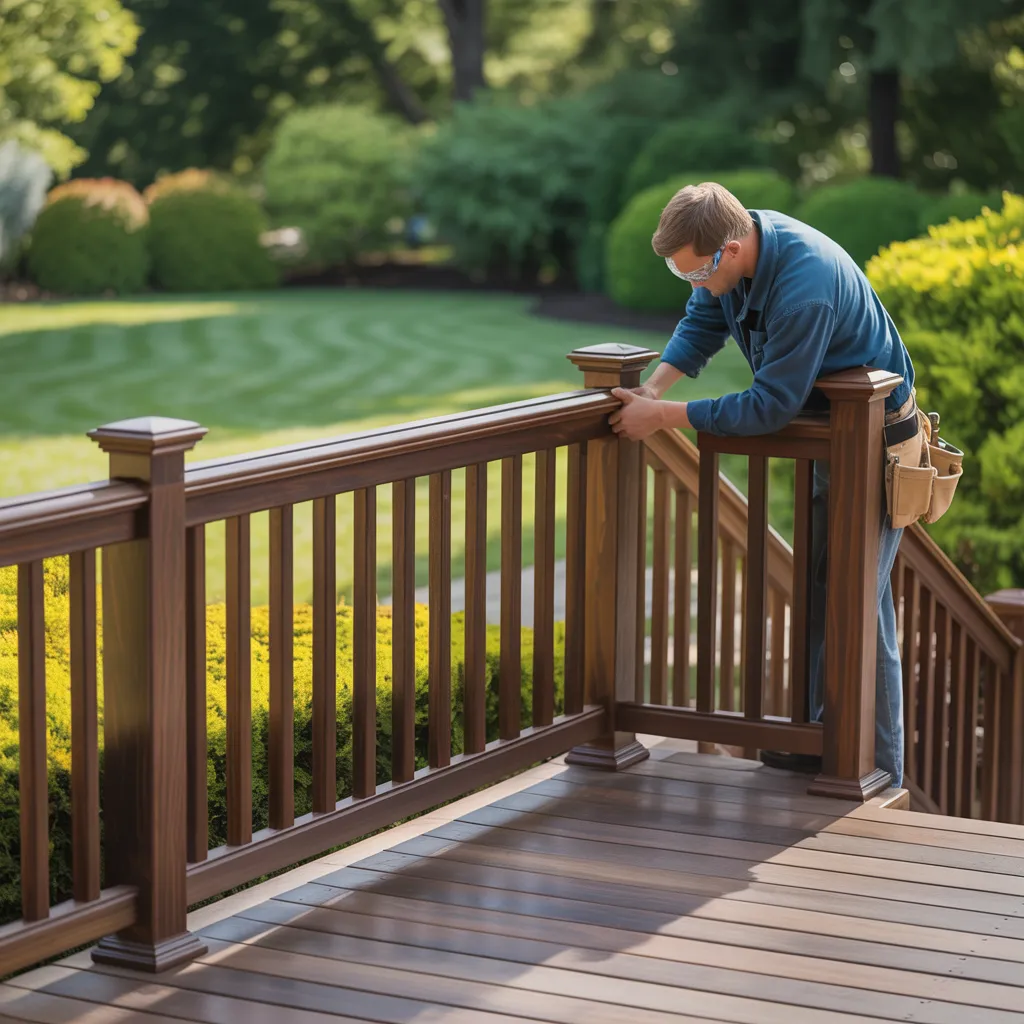
Picking the Perfect Location for Your Deck
When choosing the perfect location for a deck, what elements should be evaluated? To begin with, the orientation of the sun plays an critical role. A southern exposure can provide ample sunlight, ideal for relaxation, while a north-facing position might offer more shade. Additionally, assessing the landscape is crucial; a even terrain simplifies construction and enhances stability. Distance from the residence is a further essential element, as it enables convenient entry and frequent enjoyment. Additionally, local zoning laws and property lines must be checked to confirm conformity.
Landscaping elements, such as shrubs and trees, can provide privacy and aesthetic appeal but may also require maintenance. Finally, taking into account the deck's intended use—whether for dining, entertaining, or relaxing—will influence its placement. By thoroughly evaluating these considerations, homeowners can identify a location that optimizes both pleasure and practicality.
How to Create an Effective Deck Design Plan
A well-thought-out deck design plan is essential for guaranteeing that the completed structure fulfills both functional and decorative purposes. Property owners should start by assessing their everyday needs, such as the intended purposes of the deck—whether for social events, leisure, or exterior dining. It's important to consider the dimensions and configuration of the deck in relation to the usable outdoor space, guaranteeing that it enhances the established architectural style and natural environment.
Subsequently, property owners should create a layout that features components like lounge areas, railings, and built-in planters. This design should reflect accessibility and flow, facilitating easy movement. In addition, property owners are required to factor in compliance with local building codes and regulations.
Ultimately,incorporating aesthetic components including color palettes, building materials, and illumination will elevate the visual appeal. By thoughtfully combining functionality with design considerations, a comprehensive deck planning strategy can greatly elevate exterior living experiences.
Important Materials for Building a Deck
Selecting the correct material options is a vital step in the deck building process, subsequent to the thorough design plan developed earlier. Homebuilders must explore several options, including plastic, wood, and composite materials. Pressure-treated wood remains a popular choice because of its long-lasting nature and cost-effectiveness. That said, it needs routine upkeep to avoid decay.
Composite decking offers an easy-care solution, blending wood fibers with plastic, despite the fact that it often carries a higher starting price. For homeowners desiring a more organic look, premium hardwoods such as teak or ipe deliver remarkable lifespan and elegance but require careful handling and treatment.
Alongside decking boards, necessary materials encompass sturdy posts, beams, and joists, which form the deck's structural framework. Hardware, including screws and brackets, should be selected according to material compatibility to ensure stability. Moreover, railings and balusters boost safety while introducing character to the deck's overall design.
Building a Deck: Step-by-Step Directions
During the process of building a deck, having a clear grasp of the needed materials is vital to achieving success. A clear step-by-step approach will guide individuals through each phase of construction, making certain the resulting structure is both strong and safe. Additionally, safety precautions must be prioritized to protect everyone involved in the project.
What You'll Need
Creating a deck requires thoughtful evaluation of the supplies needed to achieve durability and aesthetics. Homeowners should first consider sourcing top-grade timber, such as pressure-treated wood, cedar, or composite materials, which deliver resistance to decay and insects. Connectors and fasteners, including brackets and galvanized screws, are vital for long-term strength. A protective stain or sealant will protect the wood from moisture and UV damage, extending its lifespan. Furthermore, builders will need support posts and concrete footings, ensuring a solid foundation. Protective gear, including gloves and goggles, is necessary for ensuring personal safety throughout the project. Lastly, instruments such as a circular saw, level, and drill will support the overall build, making it faster and more accurate.
Step-By-Step Process
Upon assembling the needed components, the next phase entails carrying out an organized process for deck construction. The procedure starts with marking the layout using stakes and string to outline the deck's measurements. Subsequently, the footings are prepared and concrete is applied to provide a solid base. Once the footings cure, the copyright board is attached to the house. Building on this, the framing is assembled, using joists placed at consistent intervals for structural integrity. The decking boards are then installed transverse to the joists, fixed in place. Railing posts are secured at predetermined spots, with the railing structure for protection and visual enhancement. To complete the project, any finishing touches, such as applying stain or sealant, are executed to improve longevity and aesthetics.
Essential Safety Precautions
Before embarking on deck construction, it is vital to prioritize safety to avoid accidents and injuries. Homeowners need to arm themselves with proper personal protective equipment (PPE), including safety goggles, work gloves, and solid footwear. Moreover, making the work area secure is essential; this may involve using barriers to prevent children and pets from entering the construction zone. Safe ladder use is of utmost importance, along practical advice with making sure it is secure and properly placed. Homeowners should also remain conscious of their environment, particularly any overhead power lines in the vicinity. Beyond that, keeping tools organized and in good condition can prevent mishaps. Lastly, having a thorough knowledge of the materials and how to handle them will strengthen safety throughout the deck building process, leading to a successful and secure outcome.
Common Mistakes to Avoid When Building Your Deck?
Avoiding common pitfalls is vital for a productive deck-building undertaking. A significant error involves failing to review local building codes and zoning regulations, which can lead to significant fines or necessary alterations. Moreover, overlooking the importance of proper drainage can result in pooling water that harms both the deck and adjacent spaces. Another common error is using low-quality materials; this can weaken the deck's overall strength and longevity.
Inadequate support is another critical issue; placing too much weight on the deck or failing to use enough joists may create dangerous conditions. Homeowners often overlook the importance of precise measurements, which can result in uneven surfaces or misaligned components. Ultimately, rushing the project can lead to shortcuts that undermine quality. Steering clear of these common errors allows homeowners to ensure a sturdier, longer-lasting deck that improves their outdoor living area.
How to Maintain Your Deck for Longevity
Upkeeping a deck demands a consistent approach to ensure its long-term performance. Creating a regular cleaning regimen and carrying out seasonal inspections can notably boost the durability of the structure. These practices assist in uncovering potential deficiencies in a timely manner and preserve the deck at its best.
Standard Cleaning Schedule
A regular cleaning schedule is vital for maintaining the condition and look of a deck over time. Property owners should strive to clean their decks at least twice a year, ideally in the spring and fall. This schedule helps clear away dirt, debris, and mold that can accumulate and lead to damage. Using a brush or leaf blower to remove loose debris is a easy first step. For more intensive cleaning, a combination of water and mild detergent can be worked in with a soft-bristle brush, followed by careful rinsing. Special attention should be given to areas around furniture and railings, where buildup is more likely. Regular cleaning not only enhances the deck's aesthetic but also significantly prolongs its lifespan.
Seasonal Inspection Tips
Following the establishment of a regular cleaning schedule, property owners ought to emphasize seasonal inspections to guarantee the deck stays in optimal shape. As spring arrives, homeowners need to inspect for damage caused by winter, such as loose boards and damaged railings. Summer evaluations are centered on evaluating the integrity of the wood while confirming that all fasteners remain tight. As autumn approaches, it is advisable to clear away debris while checking for mold or mildew growth, which tends to flourish in moist environments. Finally, winter inspections should assess the buildup of snow and ice, as these can cause structural strain. Applying sealants and stains on a routine basis provides additional protection from weather conditions. By following these seasonal tips, homeowners can extend the life of their deck and copyright its overall appearance.

Questions We Often Receive
Is a Permit Required for Building a Deck?
Whether a permit is needed for constructing a deck varies based on local regulations. In most cases, homeowners should reach out to their local building department to understand specific requirements and guarantee compliance with zoning laws and safety standards.
How Do I Choose the Right Contractor for My Deck?
To choose the right specialist for a deck, one should research qualifications, check references, assess estimates, guarantee proper certification, and assess communication abilities. Reliability and expertise in deck building are essential for a successful project.
When Is the Best Time of Year for Deck Construction?
Spring and early autumn are considered the best seasons for building a deck. Moderate temperatures and reduced humidity support productive construction work, while steering clear of harsh weather ensures proper material adhesion and improves the long-term durability of the project.
Is It Possible to Build a Deck on a Slope?
Absolutely, a deck is able to be constructed on a slope. However, proper planning and structural support are essential to guarantee structural integrity and safety. Approaches like terracing or post-and-beam framing are often needed for successful outcomes.
How Should I Budget for My Deck Project?
To plan a budget for a deck project, he should consider labor, materials, permits, tools, and unanticipated expenses. Creating a detailed estimate and allocating a contingency fund will help manage costs effectively throughout the construction process.